
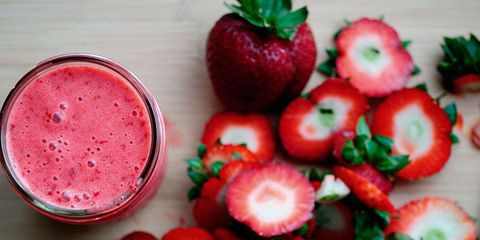
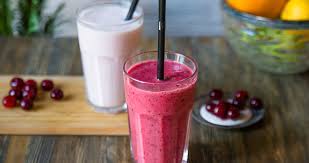
If you are looking for the perfect way to start your day, this Breakfast Energy Smoothieshould be on your radar!
Get Home Delivery
If you are looking for the perfect way to start your day, this Breakfast Energy Smoothieshould be on your radar!
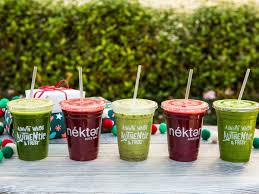
Juicing can be a convenient way to get your daily requirements of fruits and vegetables. Advocates of juicing believe that it can give your immune system a boost and protect you from a variety of diseases and ailments because of the high levels of phytonutrients, including antioxidants in the juice. While medical experts are quick to point out that there is no scientific evidence that juicing is healthier than eating the whole fruit or vegetable, studies on the physiological effects of individual fruits and vegetables can help you make an informed choice about what to add to your morning juice.
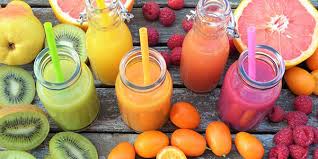
We give you a list of all fruit juices that have multiple health benefits and how they act as the stepping stone to a healthy body and lifestyle.


Biryani

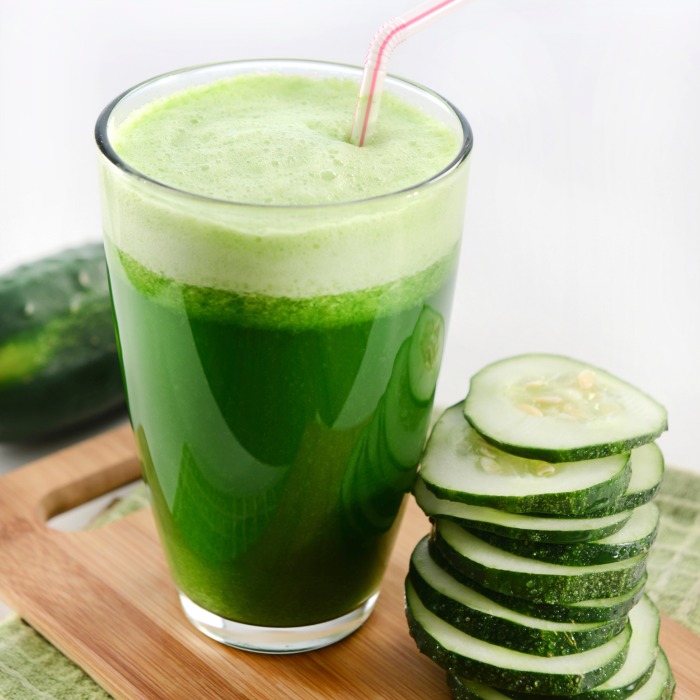


Juice is a drink made from the extraction or pressing of the natural liquid contained in fruit and vegetables. It can also refer to liquids that are flavored with concentrate or other biological food sources, such as meat or seafood, such as clam juice. Juice is commonly consumed as a beverage or used as an ingredient or flavoring in foods or other beverages, as for smoothies. Juice emerged as a popular beverage choice after the development of pasteurization methods enabled its preservation without using fermentation (which is used in wine production).[1] The largest fruit juice consumers are New Zealand (nearly a cup, or 8 ounces, each day) and Colombia(more than three quarters of a cup each day). Fruit juice consumption on average increases with country income level.[2]
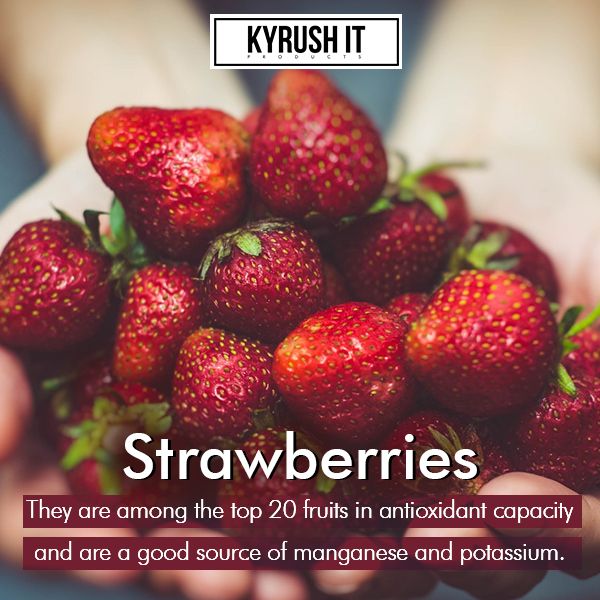

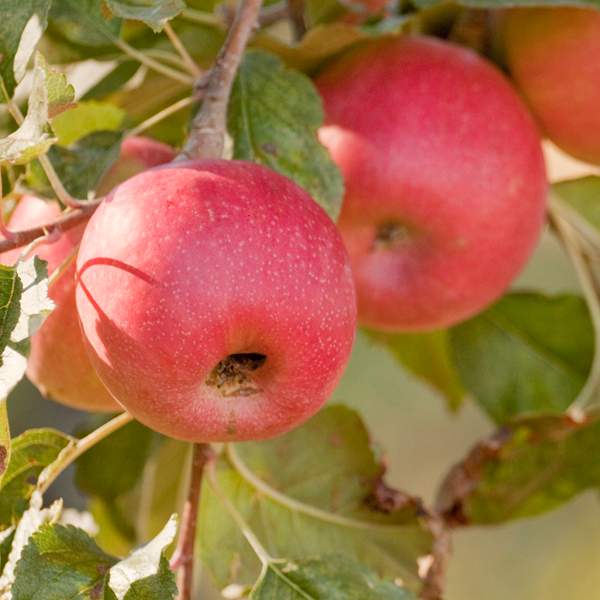
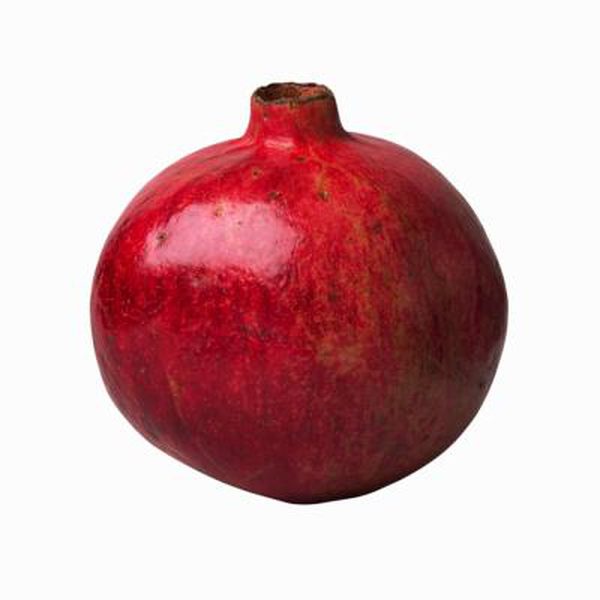
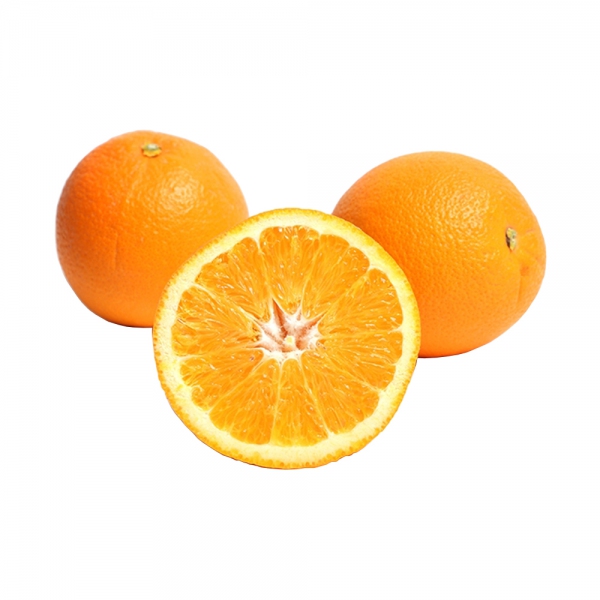
In botany, a fruit is the seed-bearing structure in flowering plants (also known as angiosperms) formed from the ovary after flowering.
Fruits are the means by which angiosperms disseminate seeds. Edible fruits, in particular, have propagated with the movements of humans and animals in a symbiotic relationship as a means for seed dispersal and nutrition; in fact, humans and many animals have become dependent on fruits as a source of food.[1] Accordingly, fruits account for a substantial fraction of the world’s agricultural output, and some (such as the apple and the pomegranate) have acquired extensive cultural and symbolic meanings.






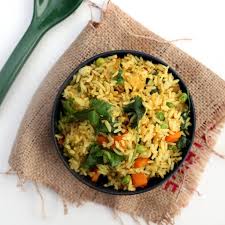

Wash the basmati rice. Before you begin cooking, you need to wash the rice. Fill a large bowl with cold water and pour in the rice. Use your hand to stir the rice in one direction. The water should get cloudy, so pour off the cloudy water. Refill the bowl with water. Continue rinsing the rice until the water is clear.
Soak the rice. After you have you rinsed the rice, soak it. Place the rice in a bowl of cold water and let it soak for 30 minutes to 2 hours.[1] Soaking the rice helps the grains expand and be fluffy.
Heat oil in a pan over medium heat. Add the cloves, cardamom, and cinnamon to the pan. Sauté for a few seconds, then add onions. Sauté until the onions turn transparent.[2]
Add mint leaves, coriander leaves, and green chilies to the pan. Stir and Sauté for a minute or so. Then add the ginger and garlic paste. Stir into the mixture in the pan, then Sauté for a couple of minutes.
Add garam masala, chili powder, carrots, peas and beans. Sauté for a few more minutes, stirring regularly.
Pour in 8 cups of water. After adding the water, add salt to taste. Stir everything together, then bring the mixture to a boil.
Add the rice. Pour the rice into the boiling water. Add the lemon juice. Cover the pot with a tight lid. Let the rice cook until done.



Thanks for joining me!
Good company in a journey makes the way seem shorter. — Izaak Walton

 Easy Fast Food